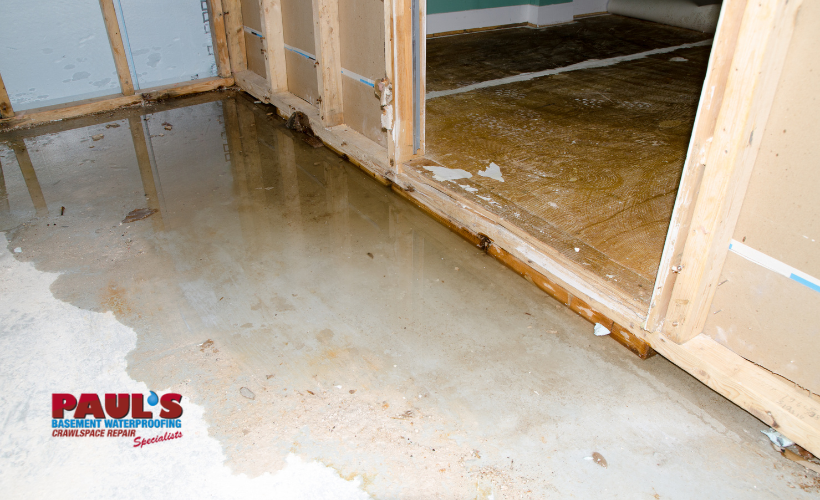
A flooded basement demands fast action from any home or business owner. Once you know that flooding has occurred, the severity of the situation determines your response. Whether flooding is due to severe weather, a sewage backup, or a burst water pipe, moulds and warping of structural materials can begin within 24 to 48 hours. Homeowners across Windsor, Essex County, and Chatham-Kent face this problem regularly because of clay-heavy soil and proximity to Lake Erie and Lake St. Clair.
If your basement has flooded, Paul’s Basement Waterproofing offers 24-hour emergency restoration services to help minimize the damage and protect your property.
Safety First: Before You Enter Your Basement
Do not enter your basement until you confirm it is safe to stay in the space. A flooded basement creates serious electrical shock hazards that can cause injury or death.
Turn off the electricity at the main breaker switches before approaching standing water. Cut the power at the main breaker to eliminate the risk of electrocution from submerged wiring. If flood waters have reached electrical outlets, do not enter your basement under any circumstances. The danger of electrical shock from hidden wiring or appliances is severe. Contact a licensed electrician to disconnect power safely. Never go into a flooded basement unless the electricity has been fully shut down.
If flooding is due to a plumbing failure, shut off the main incoming water at the main incoming water valve to stop the flow. You can test whether the shut-off has worked by trying to flush the toilet. If no water fills the tank, the supply is closed. Turn off the electricity and gas supply if you smell gas, and evacuate immediately.
Wear protective rubber boots, waterproof gloves, and safety glasses before entering any wet area. Sewage can contain bacteria that transmit disease, so avoid direct contact with sewage or items touched by the flood. Sewage or items touched by contaminated water pose serious health risks. All items touched by sewage require careful handling with full protective equipment. Limit your exposure to contaminated water and do not allow children or pets into the space. Wear protective gear throughout every stage of the cleanup process.
Identify the Source and Remove Water
Common causes of basement flooding in the Windsor-Essex and Chatham-Kent region include:
- Sewage backup from overwhelmed storm sewer systems during heavy storms
- Failed sump pumps during extended rainfall
- Foundation wall cracks that allow water through the foundation floor
- Blocked weeping tile or footer drains beneath the foundation floor
- Burst or leaking plumbing pipes
The region’s dense clay soil builds hydrostatic pressure that may weaken walls and force water through cracks in concrete block and poured foundations. Homes built before the 1980s across Windsor, Kingsville, and Chatham are especially vulnerable because older weeping tile systems deteriorate over time.
Eliminate excess water using a sump pump, wet/dry shop vacuum, or submersible pump. If your existing sump pump has failed, a portable backup handles the immediate crisis. During severe flooding, pump water out gradually at two to three feet per day. Draining too fast while soil remains saturated can increase the flooding pressure against foundation walls and cause serious structural damage.
Reporting flood locations helps municipal staff track problem areas across the city. In Windsor, call 311 to report basement flooding. This data supports the work required on the municipal infrastructure to reduce sewage backup events during future storms.
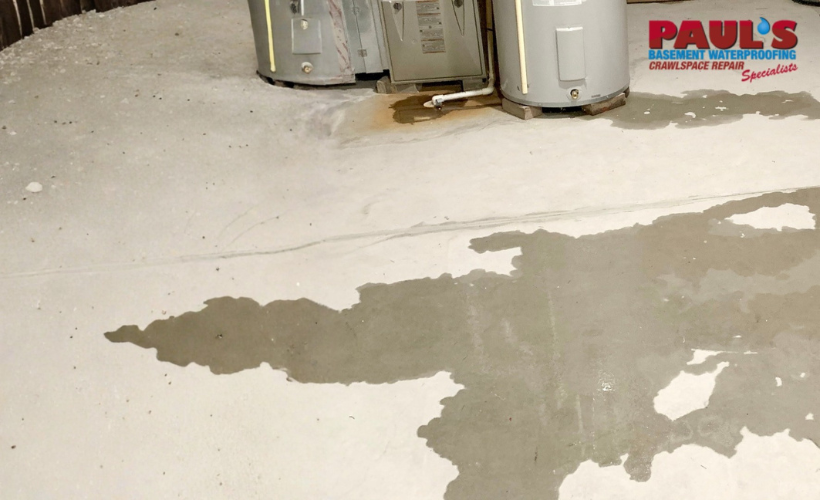
Clean, Restore, and Dry Damaged Materials
Standard clean-up procedures begin as soon as water is removed. Quick restoration prevents lasting damage to your property and belongings.
Remove all water-damaged belongings from the basement. Remove rugs, saturated carpet, soaked insulation, and wet drywall promptly. Cut drywall at least 30 centimetres above the visible water line. Pull out damaged materials including wood flooring, laminate, and any items that have been damaged beyond repair. Some hardwood floors may refinish well after professional drying, while others are damaged or need full replacement. A restoration professional can assess whether materials can refinish to their pre-loss condition or need to be replaced entirely.
Dry and disinfect all remaining hard surfaces with soap and hot water, followed by a bleach solution of one cup of bleach to five gallons of water. Be careful with cleaning agents being used in enclosed spaces and make sure to ventilate well by opening all basement windows. Run fans and commercial dehumidifiers continuously to return the space to pre-loss condition. Incomplete drying causes mould problems that make full pre-loss condition restoration impossible.
Document Everything for Your Insurance Company
Before cleanup begins, take lots of photos of all flood damage. Take lots of photos and document every affected room thoroughly. Capture photos and document items that show the full scope of water intrusion. Keep an itemized list of all damaged belongings with descriptions and estimated values.
Contact your insurance company as early as possible. Report the emergency work done to protect the property from further damage. Your insurance company will assess what may be covered under your current policy. Ontario insurance coverage varies widely. Many standard policies exclude groundwater seepage or sewage backup. Ask whether your property sits in a flood zone and whether additional endorsements apply.
Your insurer may look favourably on homeowners who do extra work to protect their property from repeated water damage. Filing repeat claims with no efforts to prevent future flooding can affect your coverage in the future. It is safe to stay proactive with prevention demonstrating improvements shows your insurance company you take flood protection seriously.
Prevent Flooding in the Future
The real goal after any basement flood is to reduce the likelihood of future flooding through proactive measures. Efforts to reduce future risk may positively affect both your property value and your insurance standing. Regular inspections and maintenance of drainage, sump pumps, and foundation systems prevent costly emergencies. Paul’s Basement Waterproofing recommends a multi-layered approach.
Fix Foundation Cracks
Professional basement crack repair seals water entry points and stops active leaks. Aging concrete block foundations across Windsor and Essex County develop cracks that compromise structural integrity and allow water to enter through walls and floors.
Install or Upgrade Your Sump Pump
A sump pump with battery backup is your primary defence against basement flooding. Paul’s Basement Waterproofing provides complete sump pump installation across Windsor and Essex County.
Maintain Exterior Drainage
Keep gutters and downspouts clean and direct water at least five feet from the foundation. Poor drainage is one of the most preventable causes of wet basement problems throughout the region.
Professional Waterproofing
Interior and exterior basement waterproofing systems provide long-term protection against water intrusion. A backwater valve prevents sewage backup during storm sewer overflows and may qualify for subsidy through the City of Windsor’s flooding protection program.
Get Professional Help for Your Flooded Basement
A flooded basement threatens your home and your family’s health. Paul’s Basement Waterproofing provides expert foundation repair, waterproofing, and restoration solutions to homeowners across Windsor, Essex County, and Chatham-Kent. Our team assesses your foundation and basement immediately and provides clear, honest recommendations to keep your home dry and protected.

Call Paul’s Basement Waterproofing today at 1-877-322-2260 or visit our contact page to schedule your free assessment.