A basement that floods every spring is sending a clear signal. The weeping tile system buried beside your footing has stopped working. Weeping Tile Installation replaces that failed pipe. It restores the path that carries groundwater away from your foundation. Homeowners across Windsor and Essex County deal with basement leaks often, because heavy clay soil traps water against basement walls after every hard rain and every thaw. Paul’s Basement Waterproofing inspects your foundation drainage, finds the failure point, and installs a system built for local soil. Catching the warning signs early stops basement water problems from becoming foundation damage.
How Weeping Tile Systems Work Beneath Your Foundation
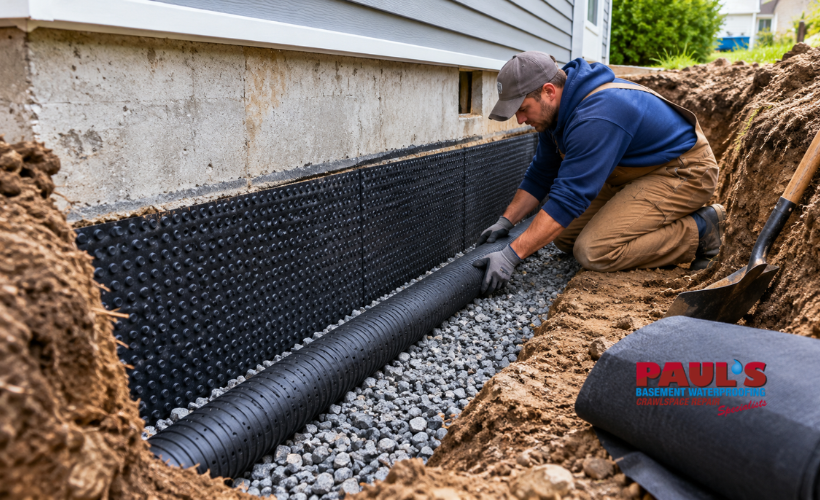
Weeping tile is a pipe, not a tile. It is a length of perforated plastic pipe laid in washed gravel around the perimeter of your foundation footing. Modern weeping tile systems replaced the short clay sections used in older homes. Water in the soil sinks down, enters the pipe through its holes, and follows a gentle slope to a discharge point or a sump pit. Gravity does all the work. Filter fabric wraps the gravel so soil and sediment stay out of the pipe, and that fabric is what keeps proper drainage working for decades.
These drain systems have one job. They collect and redirect groundwater before it reaches your basement. A pipe can collapse, fill with silt, or lose its slope. When that happens, water has nowhere to go. It pools around the foundation and builds hydrostatic pressure on foundation walls. Hydrostatic pressure is the outward force of standing water pushing against concrete or block. That force finds the weakest points in the wall and pushes through.
Why Local Soil Adds Load to Your Drainage
Windsor and Essex County sit on dense clay, and clay drains slowly. Water from a spring storm or a fast melt sits in the backfill near the foundation for hours or days. Your pipe carries that full load every time.
Freeze and thaw cycles make it worse. Wet clay swells when it freezes and shrinks when it thaws, so the soil around your foundation shifts a little more each season. Many older homes in Windsor, Kingsville and Amherstburg were built with short clay tile sections laid end to end. Those joints pull apart under repeated movement, and tree roots grow in through the gaps.
Signs Your Weeping Tile Needs Replacing
Foundation drainage rarely fails overnight. It fails slowly, and your basement floor and walls warn you long before a full flood. Watch for these signs:
- Water pooling along the walls or rising through cracks in the basement floor during heavy rain or snowmelt
- Damp patches that never dry at the joint where the wall meets the floor
- Musty odours that come back no matter how long a dehumidifier runs
- Mold or mildew behind finished walls, a common sign of ongoing water damage
- Efflorescence, the white chalky powder left behind when water passes through concrete
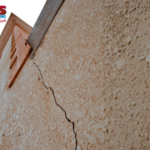
- Active basement leaks at foundation cracks that widen each season
One sign on its own may point to something small, such as a downspout emptying too close to the wall. Several signs together usually mean the perimeter drain has failed. At that point, weeping tile replacement is the fix.
Exterior and Interior Methods
Two approaches restore a failed foundation drainage system. The right one depends on four things: where water enters, how deep your footing sits, the condition of the outside wall, and what covers the work area. An assessment answers the question of repair or replacement before anyone starts digging.
Exterior Weeping Tile
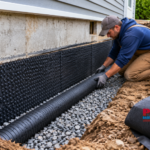
Exterior work means digging down to the footing from outside. Crews pull out the old pipe, clean the wall, repair cracks, and apply a waterproof membrane. Then they lay fresh gravel and new pipe. Stopping water outside the foundation is the most direct approach, because it helps prevent water from ever touching the wall.
This method suits homes with open perimeters, visible wall damage, or a drainage failure along one clear section. It needs room to work, and it adds membrane protection that interior work cannot match. A french drain across the lawn can be added at the same time. That drain moves surface runoff away from your home before it soaks down to the footing.
Interior Weeping Tile
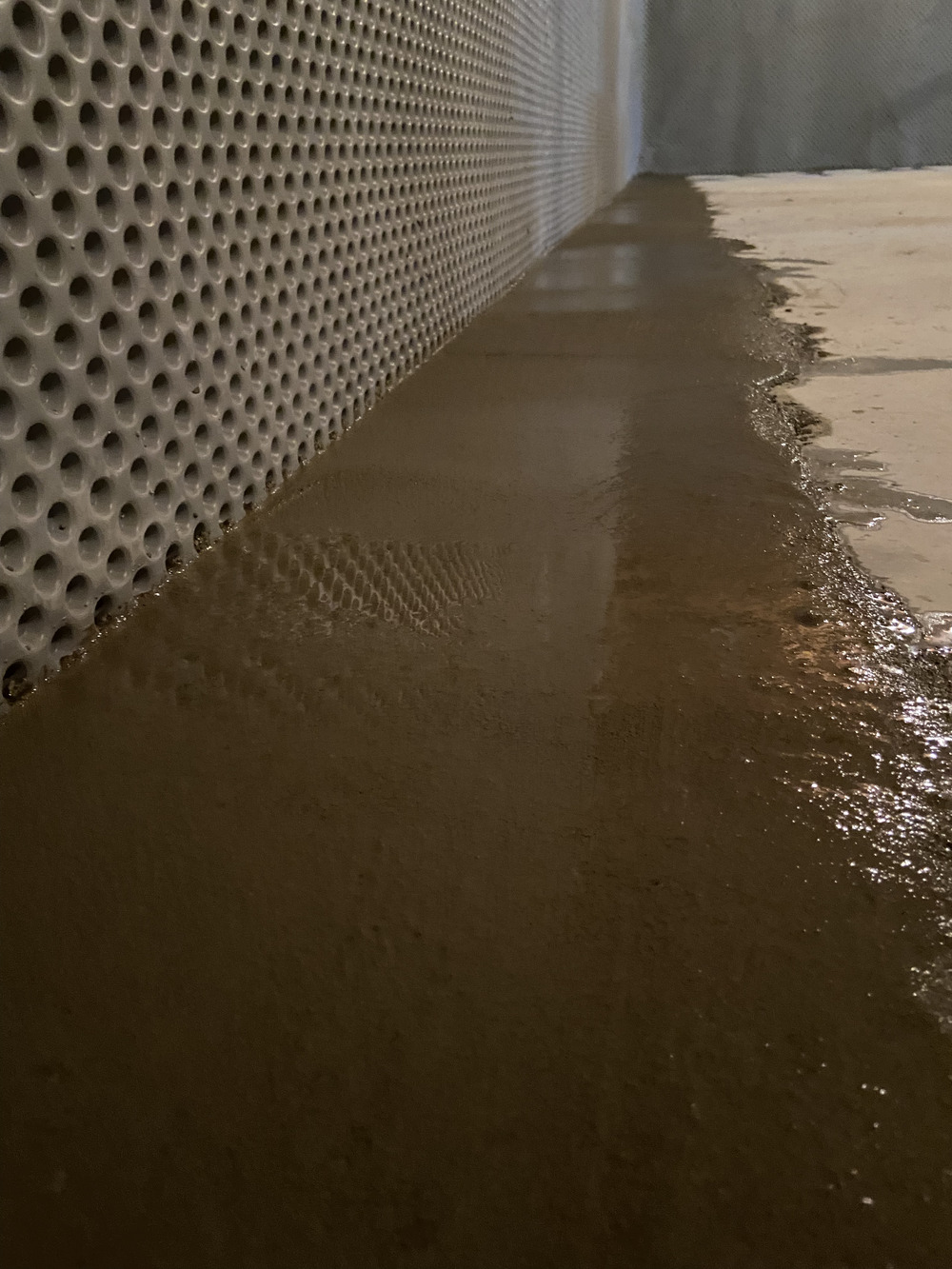
Interior systems are installed inside the basement. Crews cut out a strip of the basement floor along the foundation perimeter. They dig a shallow trench beside the footing, set new pipe, connect it to a sump pit, and repour the concrete. Water that reaches the footing is caught below the floor and pumped out before it rises into your living space.
This approach works well when a driveway, attached garage, addition, or finished landscaping blocks outside access. It also continues in weather that would shut down outdoor digging, which matters through an Ontario winter.
Does a Sump Pump Alone Solve It?
A sump pump only moves water that already reached the pit. It cannot gather water spread around the foundation when no working pipe carries it there. If seepage shows up in one corner and the rest of the weeping tile system still drains, a pump upgrade may be enough. If water enters at several points along different walls, you need to replace your weeping tile, not just the pump. A pump without a working pipe waits for water that never arrives.
How Installing a Weeping Tile System Proceeds
Professional weeping tile work follows the same six steps, whether crews install weeping tile outside or inside:
- Assessment finds the entry points, footing depth, soil conditions, and the state of the existing pipe.
- Excavation or trenching exposes the foundation beside or just below the footing.
- Crews remove the old pipe and clogged material, then inspect the wall, since foundation repair often goes with drainage work.
- Washed gravel and filter fabric form a clean bed that keeps sediment out of the new pipe.
- New pipe is set on a continuous downward slope, carrying groundwater away from the foundation to a discharge point or sump pit.
- Backfill, new concrete, or regrading restores the site, with soil sloped away from the wall.
Installing weeping tile correctly means each step protects the one before it. A properly installed weeping tile system keeps silt out and holds a steady slope. Skip the filter fabric and sediment enters the pipe within a few seasons, which returns you to the same failure.
Timing the Work Before Freeze-Up
Outdoor drainage work needs workable ground. Once frost sets into Essex County clay, digging slows down and backfill will not compact properly. Autumn is the last reliable window for exterior foundation work, and it lands right before the winter cycles that expose weak drainage.
Booking an assessment in early fall gives you time to plan. If outside access proves difficult, or the season closes in, interior installation stays available through the colder months. A wet basement does not have to wait for spring.
Delay works against you. Water sitting near your foundation through winter freezes inside cracks and widens them. Seepage today can become a bowing wall or a damaged footing later. Replacing weeping tile now lowers the risk of basement damage next spring and helps protect your home from the water damage that follows.
Serving Homeowners Across Windsor and Essex County
Paul’s Basement Waterproofing is a family-owned company. The team installs and repairs foundation drainage across the region, including:
- Windsor, LaSalle and Amherstburg
- Kingsville, Leamington and Essex
- Lakeshore and Colchester
- Chatham, Blenheim and surrounding Chatham-Kent communities
Assessments happen promptly, not after a long wait. Every assessment explains what the crew found, why water is getting in, and which method will protect your foundation and prevent basement leaks in the years ahead.
Stop the Water Before the Next Storm
Failed drainage does not fix itself. Every wet season drives more water against your home’s foundation. Weeping Tile Installation restores the drainage path your foundation was built to rely on and gives you back a dry, usable basement. The plan may include a french drain system, a new perimeter pipe, or foundation repair. Paul’s Basement Waterproofing brings local knowledge of Essex County soil, older homes and seasonal water to every visit.

Call Paul and the basement waterproofing team at 1-877-322-2260 to book an inspection and get a solid plan for weeping tiles and proper foundation drainage at your property.