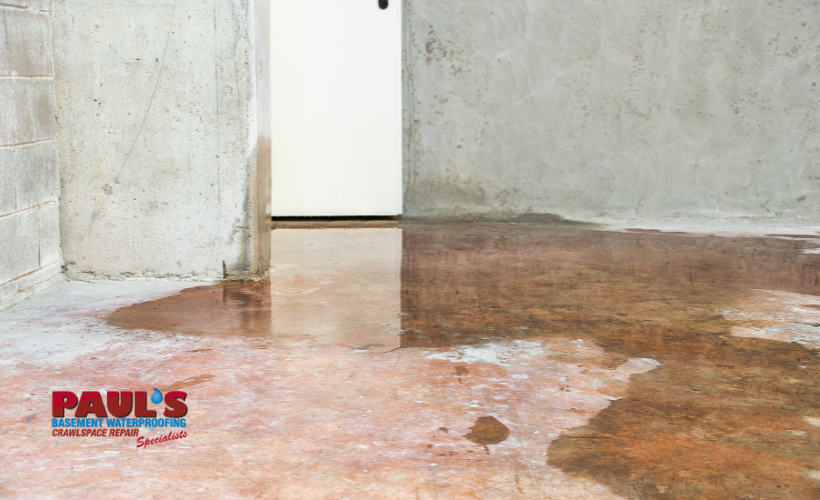
Water in the basement threatens your home’s structure, your belongings, and your family’s health. Whether you notice a damp basement floor or several inches of standing water, the damage grows every hour you wait. Your basement might flood after a single heavy rain event, once you start to see these warning signs. Or basement moisture may build slowly through hairline cracks over months. Either way, prompt action prevents additional water damage and protects your property value.
This guide covers what to do right away, the most common causes, and the prevention methods that deliver lasting results. Paul’s Basement Waterproofing provides expert water damage assessment and effective basement waterproofing solutions for homeowners across Windsor-Essex County, Chatham-Kent, and Sarnia-Lambton.
What to Do When You Find Water in Your Basement
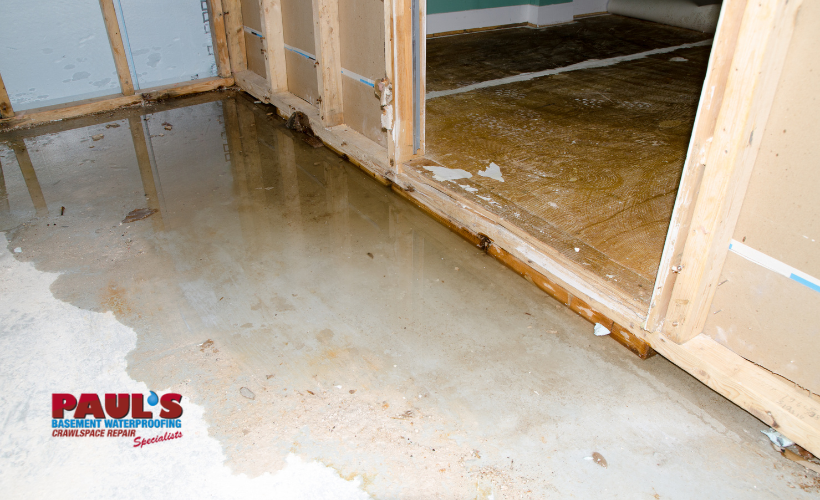
A flooded basement demands fast action. The first few hours determine how much damage your home sustains and whether you need water damage restoration services to recover.
Protect Yourself First
If the water level reaches electrical outlets, wiring, or appliances, the space carries a serious electrocution risk. Turn off the power at your main breaker panel before you step into the water. If you cannot reach the panel safely, stay out of the basement and call a licensed electrician. Wear rubber boots, waterproof gloves, and eye protection before entering a flooded space. Sewer backups introduce harmful bacteria into floodwater, so treat all standing water as contaminated until you confirm the source.
Identify the Source of Water
Understanding where water is coming from determines your next steps. Check for broken pipes, a failed water heater, or a leaking washing machine. These plumbing failures require a licensed plumber. If water enters through foundation walls, rises through the basement floor, or seeps in where the wall meets the floor, the issue is likely groundwater or surface water intrusion. Significant water entry through multiple points often signals hydrostatic pressure from saturated soil around your home.
Remove the Water and Begin Drying
Start removing water as soon as it is safe to enter. You can clear standing water using a wet-dry vacuum for small amounts or a sump pump for larger floods. Once you remove the water, pull out saturated materials such as carpet, underpad, drywall, and cardboard boxes. These materials trap moisture and promote mold growth within 24 to 48 hours. Run fans and dehumidifiers to dry the space thoroughly. If dampness persists after drying, a deeper moisture source needs professional attention. For severe flooding, a water damage restoration contractor has industrial equipment to manage large water volumes safely and quickly.
Call a Professional for Assessment
Severe flooding, recurring water problems, or visible foundation damage all warrant a professional inspection. A qualified basement waterproofing contractor will identify the root cause and recommend a permanent solution. Paul’s Basement Waterproofing provides thorough on-site assessments for homeowners across Windsor, Essex County, and Chatham-Kent.
Common Causes of Water in the Basement
Basement water intrusion rarely happens without a clear cause. Most problems trace back to drainage failures, soil conditions, or structural weaknesses.
Poor Grading and Exterior Drainage
Proper grading directs rainwater and snowmelt away from your foundation. When the ground around the house settles or slopes inward, water pools near the foundation and saturates the soil next to the house. Additional water on the surface from downspout runoff or overland flooding adds even more pressure against basement walls. This problem is common in older Windsor and Essex County homes where decades of landscaping have altered the original grading around the foundation. Correcting the slope and extending downspouts to channel water away from the foundation wall stops most surface water problems before they start.
Clogged or Damaged Gutters and Downspouts
Gutters collect roof runoff and direct water away from the basement. When gutters clog with leaves, shingle grit, or debris, water overflows and can pool around the foundation line. Disconnected or short downspouts dump concentrated water right beside the basement wall. Heavy rain during spring and fall storms in Windsor-Essex can put a heavy load on drainage systems that are already partially blocked. Regular cleaning helps prevent overflow and keeps exterior drainage systems working as intended.
Hydrostatic Pressure and Water Seepage
Heavy clay soils found throughout Essex County and Chatham-Kent hold water longer than sandy or loam soils. After sustained rainfall, the soil around your foundation becomes saturated. This creates hydrostatic pressure, the force of groundwater pushing against your foundation. That pressure forces water through cracks in the foundation, porous materials like concrete block, and the cold joint where the basement floor meets the wall. Water seepage from hydrostatic pressure causes flooding during wet weather and remains one of the most common basement water problems in this region. Foundation cracks provide direct pathways for water to enter, and continued pressure can cause the basement floor to crack further over time.
Sump Pump Failure
A working sump pump is your last line of defence against groundwater. A failed sump pump leaves your basement unable to handle water accumulation from rain events or a rising water table. Pumps fail because of mechanical breakdown, power outages, clogged discharge lines, or simply reaching the end of their lifespan. Most sump pumps last 7 to 10 years. You can test yours by pouring water into the sump basin to confirm the pump activates and the discharge line flows freely. A battery-powered backup pump provides protection during the power outages that accompany heavy rain storms. Paul’s Basement Waterproofing offers reliable sump pump installation with backup systems for homes across Windsor and Essex County.
Sewer Backup
During intense rainfall, municipal sewer systems in Windsor and Chatham-Kent can become overwhelmed. Excess runoff from storms strains aging infrastructure, and wastewater flows backward through floor drains into basements. A backwater valve stops sewage from entering your home through the drain system. The City of Windsor’s Basement Flooding Subsidy Program helps eligible homeowners offset installation costs.
How to Prevent Water in the Basement
Prevention costs far less than emergency cleanup and structural foundation repair. These strategies target the causes that allow water to reach your basement space and prevent basement flooding before it starts.
Exterior Maintenance and Water Drainage
Consistent exterior upkeep eliminates most surface water problems before the water reaches the basement.
- Clean gutters at least twice per year to prevent blockages that allow water to flow toward the foundation instead of away from it.
- Extend downspouts 1.2 to 3 metres to direct runoff away from the foundation and the basement walls.
- Regrade soil around your home so it slopes away at a minimum of 15 centimetres over the first 3 metres.
- Seal or replace basement windows that show signs of leaking, and install window well covers on basement windows to block direct rainfall at the foundation line.
Interior Waterproofing Systems
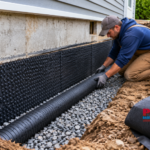
When exterior fixes alone cannot manage the volume of groundwater, interior basement waterproofing provides a reliable secondary defence. An interior drainage system collects water that enters at the wall-floor joint and channels it to a sump pit. A quality sump pump then expels water away from the home. This approach helps prevent costly repairs by stopping water before it damages finishes, stored items, or structural elements. Paul’s Basement Waterproofing installs complete interior waterproofing systems designed for the specific soil and moisture conditions across Windsor-Essex and Chatham-Kent.
Foundation and Plumbing Maintenance
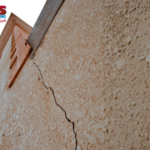
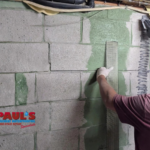
Hairline cracks can widen over time, and water may enter through your foundation wall as those gaps grow. Inspect your basement walls and basement floor each spring and fall for new cracks, efflorescence (white mineral deposits), or damp patches. Early foundation repair prevents small issues from becoming major structural problems. Indoors, replace rubber washing machine hoses before they crack, inspect your water heater for rust, and install a backwater valve if your home connects to the municipal sewer system.
Get Professional Help to Keep Your Basement Dry
Water in the basement is a problem that worsens with every storm. Each rain event pushes more water through compromised drainage, widened cracks, and failing pumps. The most effective approach combines proper exterior maintenance with a professional waterproofing system built for your home’s specific conditions. Paul’s Basement Waterproofing serves homeowners across Windsor-Essex County, Chatham-Kent, and Sarnia-Lambton with complete basement waterproofing, wall crack repair, and sump pump solutions.

Call Paul and his team today at 1-877-322-2260 or schedule your free on-site assessment today for any water in the basement situations in Ontario.